Roll-off containers handle commercial cleanups and renovation debris; a 30-yard rental is typically $500–$850, with haul distance and rental duration affecting the total.
What Materials Can You Put in a Roofing and Remodeling Dumpster?

What Can an Open-Top Dumpster Take?
When roofing or remodeling debris crowds the work area, an open-top dumpster can take many ordinary, nonhazardous project materials, subject to the hauler’s acceptance rules. Ask about each material before loading so a rejected item does not delay removal or add a disposal charge.
For a business waste dumpster rental near me, confirm that the provider serves the job location and accepts the waste mix you expect; proximity alone does not establish either. Dallas crews know that sudden spring storms can interrupt roof work, so plan the container around the job sequence.
A project near Dallas City Hall may involve tight placement planning, too. Check these common container choices:
| Size | Typical project fit |
|---|---|
| 10-yard | Compact cleanout |
| 15-yard | Small renovation |
| 20-yard | Common construction project |
| 30-yard | Bulky commercial cleanup |
What Roofing and Remodeling Debris Can Businesses Put in a Rental Dumpster?
A remodel can produce clean construction and demolition debris, but the material and condition matter. Asphalt shingles, untreated wood, drywall, and general renovation debris may be acceptable when the hauler approves the load. Keep materials that could contaminate the load out until you confirm their disposal requirements.
Old paint, chemicals, solvents, and other potentially hazardous products need special attention; do not assume an ordinary container can take them. Mixed waste rejected at a facility can mean extra handling and a delayed haul.
We ask what the crew is removing, not just how many rooms are being remodeled. That distinction helps us identify materials that need a separate disposal route before they reach the box.
Near Fair Park, hot, humid summer conditions can affect work pace and material handling, so keep the debris secured and avoid leaving loose waste exposed longer than necessary. If you are uncertain about a specific product, tell us what it is before loading.
What Happens to Commercial Dumpster Waste After Pickup?
After collection, waste is transported for sorting, recovery, or disposal according to the material and local facility requirements. Reusable or recyclable streams may be handled separately when the hauler and receiving facility support that option; contaminated or unsuitable material can instead be refused or charged differently.
Ask where the load is headed and whether your planned mix affects acceptance. That answer can shape how you separate debris at the job site.
The Resource Conservation and Recovery Act sets federal rules for hazardous waste, so items such as chemicals should not be treated as ordinary remodeling debris. Our crew can discuss the waste description and arrange a practical container plan, but we do not treat an unknown substance as safe simply because it came from a building project.
Make the call before disposal day. It is easier to separate questionable items early than to correct a mixed load at pickup.
What Size Dumpster Does a Business Need for a Remodel?
Choose a size from the project’s debris volume and weight, not square footage alone. A small interior update may produce a different load from a full tear-off, and dense debris can reach a weight limit before the container looks full. The correct container depends on the material mix, so describe both the volume and the heaviest items when requesting a quote.
For Dallas projects, our commercial dumpster service starts with questions about the work area, loading plan, and expected waste. That helps prevent overflowing construction debris from blocking crews and keeps the container suited to the job.
High winds and severe spring thunderstorms can complicate exposed work, so tell us if the schedule or debris volume may change. Call us when the scope is unclear or the crew expects a large amount of dense material; we can talk through a realistic plan before delivery.
What Permits Are Needed for a Dumpster in Dallas?
A container placed on private property is different from one occupying public space. For public-street placement, check the Dallas right-of-way use permit requirements before the truck arrives; do not assume a curbside location is automatically approved. The Dallas City Code, Chapter 43, also includes solid-waste provisions relevant to handling and disposal.
Placement can be especially important around historic brick commercial buildings, where a narrow work area or street-side setup may affect access. We help customers identify the proposed location and discuss delivery requirements, but the property or project contact should confirm applicable city approvals.
If the intended spot is on a public street, contact the City of Dallas Department of Public Works or City of Dallas Code Compliance Services to clarify the permit process before scheduling. This prevents a preventable placement problem from disrupting the job.
Which Dumpster Fits Roofing and Remodeling Debris?
A small renovation can fit a compact container, while a roof replacement or heavier tear-out may need a different plan. Match the container to both the debris volume and its weight. A Roofing debris dumpster is intended for roofing work, but confirm which roofing materials the provider accepts before loading.
For a smaller renovation, a 15-yard roll-off can suit a limited debris volume; heavier renovation waste calls for closer weight planning. A front-load dumpster service is generally for recurring commercial waste collection, not a one-time demolition pile.
In Dallas, work near the Dallas Museum of Art can involve nearby access considerations, while historic brick buildings call for careful placement. Check the accepted materials, weight terms, and pickup plan before choosing.
How to Prepare Roofing Debris for Pickup
-
Confirm the waste: Separate prohibited materials before pickup and ask the hauler about questionable products. An apartment complex dumpster rental may serve shared ongoing waste, but renovation debris should not be added without approval.
-
Check the route: Use a commercial dumpster placement and access guide to verify the truck can approach, turn, and set the container without blocking the work area.
-
Prepare the ground: Choose firm, level pavement and tell the provider about surface or access concerns before delivery.
-
Plan the loading: Keep heavy debris distributed and maintain a safe, stable load rather than piling waste above the rim.
-
Estimate the job: A commercial dumpster rental cost estimator is useful only when you enter the material type, expected amount, and rental timing accurately.
-
Confirm pickup: Agree on the collection plan before the container is full. Dallas spring storms can shift outdoor work; update the schedule if the project changes.
Common Questions About Best Commercial Dumpster Rental in Dallas
Can a Roofing Dumpster Take Shingles Mixed with Drywall and Wood?
Yes, a roofing dumpster may take shingles, drywall, and wood when the hauler accepts that combination and none of the material is prohibited. Describe the full waste mix before loading so a mixed load is less likely to be rejected at the disposal facility.
How Much Does a 20-Yard Renovation Dumpster Cost for Roofing Debris?
A 20-yard renovation rental commonly runs $400–$700, with the debris type and tonnage affecting the quote. Confirm the expected material and weight with Trash Removal Rental LLC before booking so the container plan reflects the actual project.
What Should I Do If Roofing Concrete Exceeds the Dumpster Tonnage Allowance?
If heavy concrete could exceed the tonnage allowance, stop loading and ask the hauler whether a dedicated container is needed. Concrete loads may require dedicated heavy-material containers, and continuing to load can lead to correction or added handling.
Do I Need a Permit for a Roofing Dumpster on a Dallas Street?
Yes, public-street placement requires checking the Dallas right-of-way use permit process before delivery. The Dallas City Code, Chapter 43, includes solid-waste provisions; contact the City of Dallas Department of Public Works to confirm the requirements for your location.
When Should I Call a Contractor Dumpster Rental Company for a Roof Remodel?
Call a contractor dumpster rental provider when the debris mix is uncertain, the work may produce heavy loads, or a full container could interrupt the crew. A container swap can help keep debris from blocking the work area; tell Trash Removal Rental LLC what the project is removing and how pickup should fit the schedule.
Need Help Choosing a Roofing Dumpster?
If shingles, wood, and remodeling debris are piling up, start by confirming which materials your hauler accepts and whether any items need separate handling. That simple check can prevent a rejected load.
On Dallas projects, sudden spring storms can also change the work sequence, so discuss delivery timing before the crew is ready to load. A container’s stated dimensions may not match the space available at your site, so verify the actual unit and placement plan with the provider.
For roofing work that includes dense debris, ask whether a dedicated heavy-material container is appropriate. Tell Trash Removal Rental LLC what you are removing, where the container will sit, and when you expect pickup; we’ll help you plan the next step.
Industrial sites can use 10–40-yard containers for roofing debris and other bulky waste; Dallas commercial rentals typically run $600–$1,000, depending on availability and weight.
Bulk waste containers handle large commercial cleanouts and mixed bulky debris; concrete-only 10-yard rentals typically run $350–$700, subject to heavy-material limits.
Roofing renovation dumpsters handle shingles and tear-off debris; a 20-yard rental runs $400–$700, depending on debris type and tonnage.
Contractor rentals handle job-site debris in roll-off containers, with typical project pricing around $450–$900 depending on load weight and site access.
Estate cleanout containers handle furniture, boxes, and household debris; Dallas quotes reflect container size, weight, and rental days.
Heavy Material Dumpster handles dense loads such as clean concrete; a concrete-only 10-yard rental typically runs $350–$700, depending on heavy-material handling limits.
Collect branches, leaves, and trimmings in a yard waste dumpster sized to your cleanup; weight and rental duration shape the final cost.
Office and warehouse cleanouts can use a roll-off sized for fixtures, packaging, and mixed debris; final cost depends on volume, weight, access, and rental time. Typical average: $425.
Recycling dumpsters keep sorted commercial materials separate; container size, material type, weight, and access shape the quote. Typical average: $425.
Construction crews can use a 15-yard box for small renovation debris; 40-yard containers suit bulky, lighter loads. Typical pricing depends on debris type and weight. Typical average: $425.
Residential dumpster rental handles household cleanouts and remodeling debris in Dallas; a 10-yard container typically runs $300–$550, depending on rental period and weight.
Disaster cleanup dumpsters hold storm-damaged materials and bulky debris; rental cost depends on debris type, weight, access, and duration.
Furniture disposal dumpsters contain bulky sofas, mattresses, and office furnishings; front-load options hold 2–8 cubic yards, with cost shaped by volume and access.
Event site dumpster rental handles cleanup at Dallas gatherings, including mixed post-event debris in a roll-off container; quotes reflect waste type, weight, and access.
Hoarder Cleanout Dumpster service for household belongings and bulky discards; the quote depends on debris volume, weight, rental duration, and access.
Apartment managers can use a 30-yard container for bulky renovation debris; typical rentals run $500–$900, with weight and rental days affecting the total.
Scheduled dumpster service for Dallas contractors and property managers, with container choice matched to debris and site needs; cost depends on weight, access, and rental duration.
Emergency dumpster rentals help Dallas homeowners and contractors contain urgent cleanup debris in a roll-off container; cost depends on debris type, weight, access, and rental duration.
Debris boxes contain construction and demolition debris for Dallas projects; container size, material, weight, and rental duration shape the quote. Typical average: $550.
Recent Projects Gallery
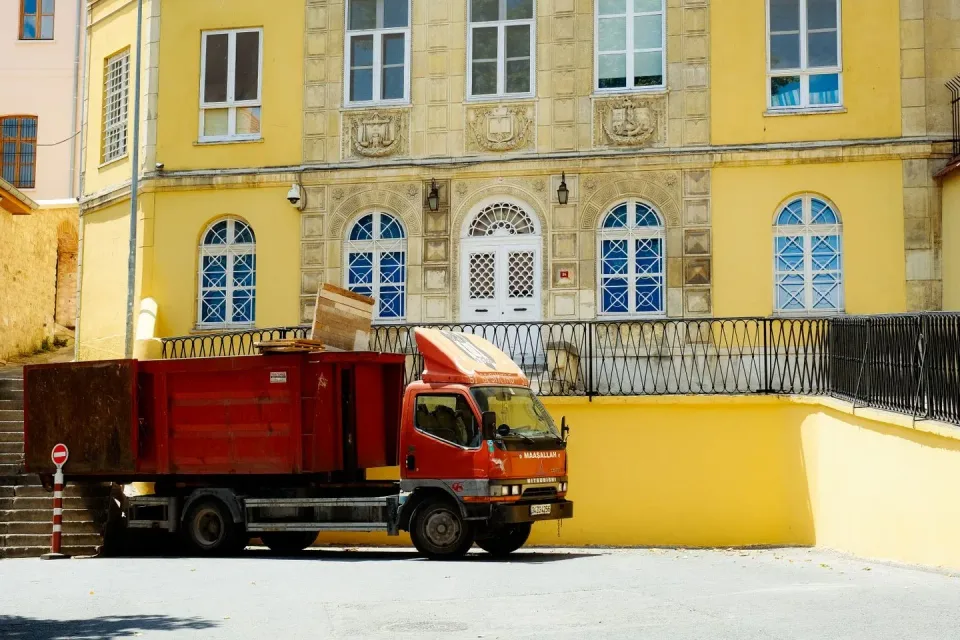
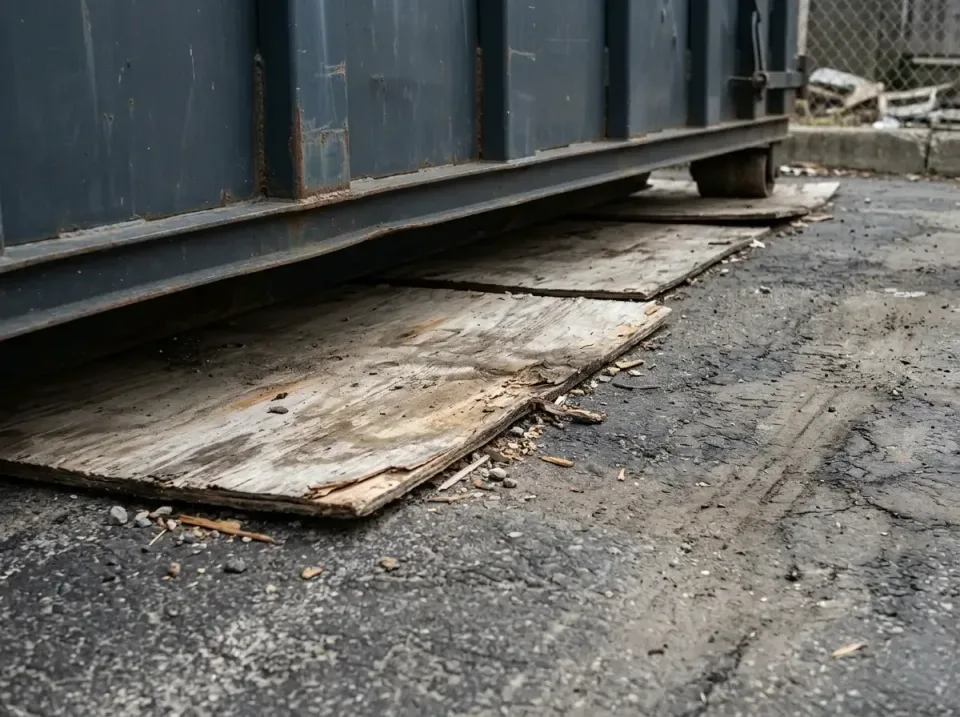
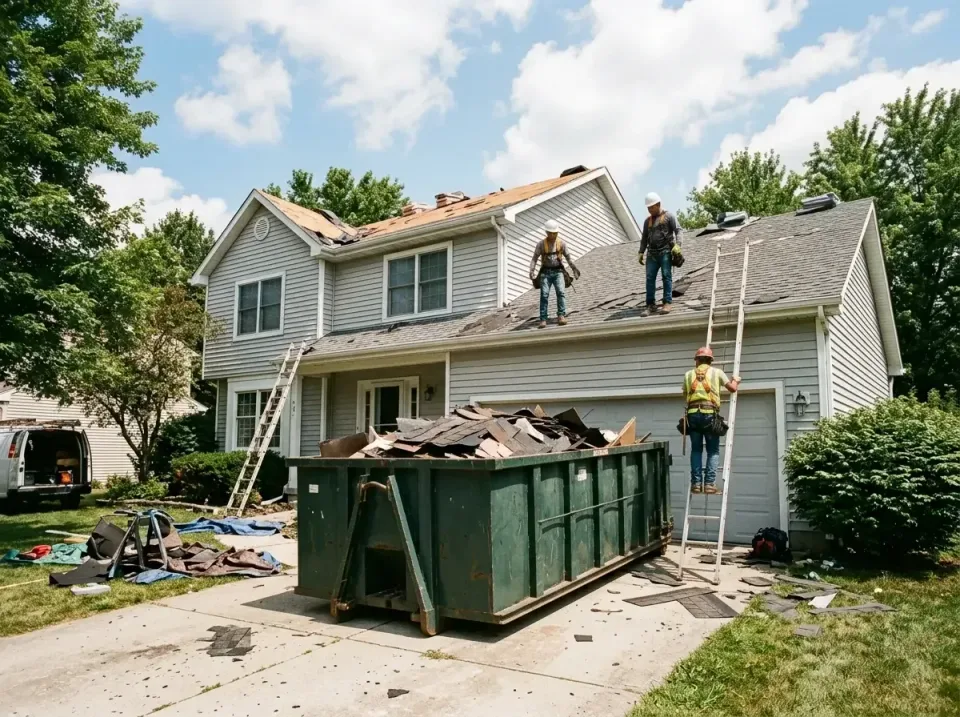
Recent best commercial dumpster rental project photos in Dallas.

Find Your Area
Browse by State
Select your region to see local best commercial dumpster rental providers and cities we cover.
Get a Quote
Get a Best Commercial Dumpster Rental Quote in Dallas, TX
Share job details below or call our team directly. Phone: (833) 549-4191