OSHA Safety Standards for Loading and Unloading Dumpsters
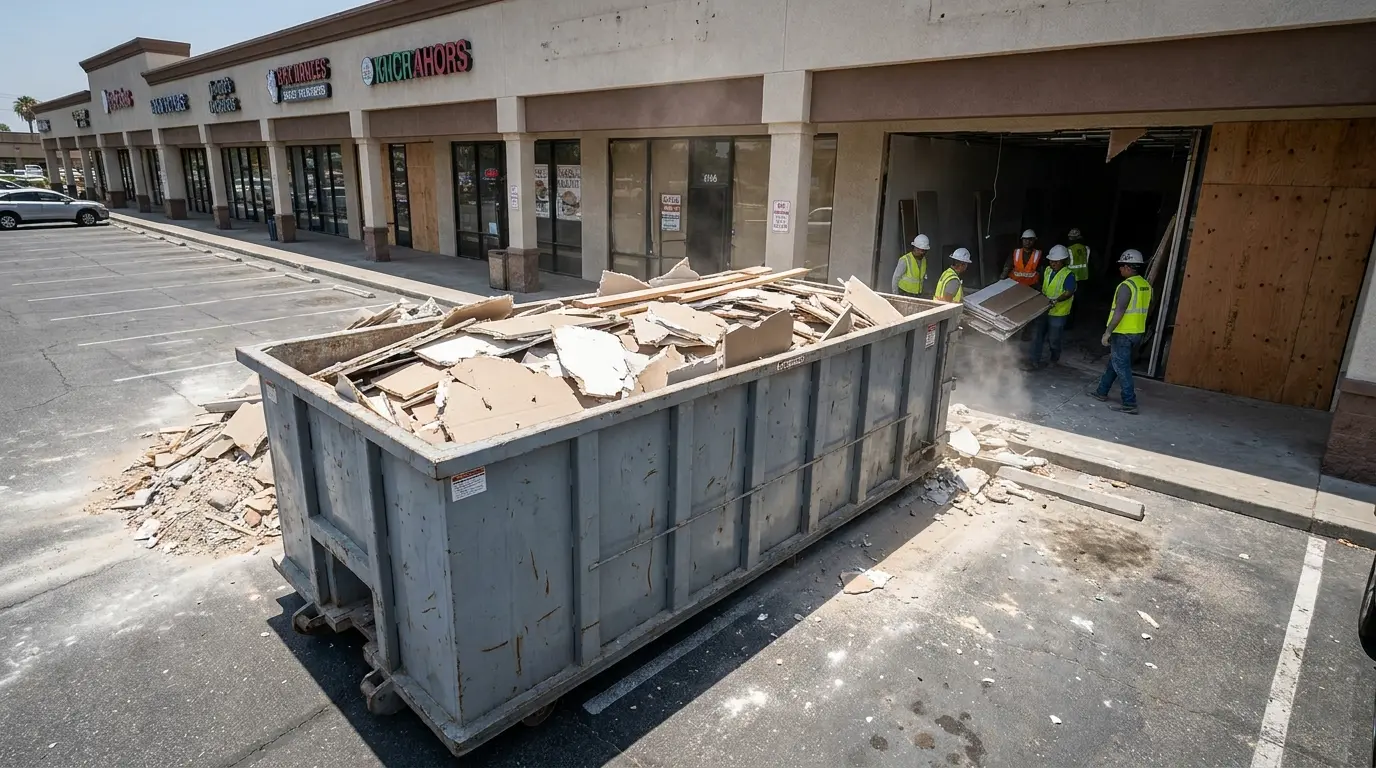
Why OSHA Safety Standards for Loading and Unloading Dumpsters Matter for Your Job Site
Millions of tons of construction debris move through dumpsters each year. The way you load that dumpster affects every person on site. OSHA’s rules cover load stability, weight limits, and clear access around the container. Missing these steps can lead to tipped dumpsters, falling debris, or workers caught between equipment. For example, in states like California, CalRecycle adds its own requirements for recycling materials, which affects how you sort and load. In Texas, the Texas Commission on Environmental Quality has specific rules for disposal of certain wastes. The bottom line: following OSHA guidance reduces risk and keeps your job moving.
Key OSHA Requirements for Dumpster Loading and Unloading
OSHA standard 1910.25 covers walking-working surfaces, including the area around dumpsters. Workers must have a clear path to the container. No stacked debris should block access. The standard also requires guardrails or fall protection if the loading platform is over 4 feet high. Many dumpsters sit on trucks or have elevated doors. This rule applies.
Another key standard is 1926.250 for materials handling and storage. This applies to construction sites. It says all materials must be stacked and stored neatly. Overfilling a dumpster violates this rule. Loads must be stable. Debris cannot hang over the sides. A dumpster that tips during pickup can injure the driver and damage property.
Safe Loading Techniques for Commercial Dumpsters
Start by placing the dumpster on level ground. Soft or sloped ground increases tip-over risk. Use wood blocks or pads under the corners if needed. Load heavy items first, like concrete or brick. Put them at the bottom, near the center. Lighter material goes on top. This keeps the center of gravity low. Do not throw items from a height. Lower them by hand or with a machine.
Watch the fill line. Most dumpsters have a line inside the rim. Keep all material below that line. The truck’s lifting arms need clearance. Overfilled dumpsters cause rollovers. In cities like New York, local fire departments require a certain distance from hydrants. A tipped dumpster can block emergency access. In Miami, hurricane season creates sudden demand for debris removal. Overloaded dumpsters become dangerous in high winds.
Unloading Dumpsters Safely at the Facility
At the landfill or transfer station, the driver has specific duties. The driver must check the load before tipping. Loose debris can fall on workers below. The driver must use the truck’s warning signals. Workers on the ground must stay clear. OSHA requires a spotter during backing maneuvers. The spotter keeps visual contact with the driver.
Some states, like Oregon, require load covers for transport. Tarps or nets prevent debris from falling on the highway. The Department of Transportation has rules for securing loads. Failing a DOT inspection costs time and money. Solid Waste Association of North America (SWANA) offers training for operators. Following their guidelines reduces accidents.
Common Violations and How to Avoid Them
The most common OSHA violation is overfilling the dumpster. Next is failing to provide personal protective equipment (PPE). Workers need hard hats, gloves, and steel-toed boots near dumpsters. Another violation is not keeping the area clear. Boxes, tools, and scrap must be away from the drop zone.
A violation can stop your project. OSHA fines range from hundreds to thousands of dollars. Repeat fines are higher. The National Waste & Recycling Association (NWRA) provides checklists for compliance. Use them before each pickup.
Special Considerations for Different Dumpster Sizes
Larger dumpsters, like 40-yard roll-offs, have higher weight limits. They also have more wind resistance. Loading them requires extra care. Smaller containers, like 10-yard ones, tip more easily when overloaded. Match the dumpster size to the waste type. Concrete and dirt are heavy. A 10-yard container holds about 1.5 tons of concrete. A 30-yard holds about 5 tons. Know your material density.
Local rules vary. For Commercial Dumpster Rental Service in California, CalRecycle requires recycling of concrete and asphalt. That affects what goes in the dumpster. For Commercial Dumpster Rental Service in Florida, sand and moisture add weight. A 30-yard dumpster filled with wet debris weighs more than a dry one. Account for that when loading.
Training Requirements for Workers
OSHA requires employers to train workers on safe loading practices. Training must cover proper lifting techniques, equipment use, and hazard recognition. Keep records of training. Written programs help during an inspection. Workers must know the weight limits of the dumpster. They must also know how to spot unsafe conditions.
The Construction & Demolition Recycling Association (CDRA) offers training materials. The American Public Works Association (APWA) provides guidance for public works crews. Use these resources to build your training program.
The Role of Signage and Barricades
OSHA requires warning signs around dumpsters. Signs must say “Caution” or “Warning” as needed. Barricades or cones keep pedestrians away. This is critical in parking lots or near sidewalks. In busy areas like malls or hospitals, a falling object can hit a customer. Use barriers that are visible day and night. Reflective tape helps.
Local fire codes may require specific distances. Keep dumpsters at least 5 feet from buildings. This prevents fire spread. Some cities, like Chicago, require dumpsters to be on non-combustible surfaces. Concrete or asphalt works. Gravel is not always accepted. Check with your local public works department.
Emergency Procedures
Have a plan if a dumpster tips. Keep a fire extinguisher nearby. Train workers to clear the area. Do not try to lift a tipped dumpster without proper equipment. Call the rental company for recovery. The driver must have a communication device. Cell phones or two-way radios work.
The Clean Water Act requires controlling runoff from dumpster areas. A tipped dumpster can spill pollutants into storm drains. Contain spills immediately. Use absorbent materials. Report major spills to state environmental agencies.
Call Dumpster Rentals Pros for help with dumpster safety and compliance. We serve all 50 states, including Commercial Dumpster Rental Service in Alabama and Commercial Dumpster Rental Service in Alaska. Our drivers follow OSHA standards. We train our crews regularly.
The Bottom Line on OSHA Safety Standards for Loading and Unloading Dumpsters
Following OSHA standards keeps your job site safe and your project on schedule. Overfilling, lack of PPE, and blocked access are common violations. They stop work and cost money. Local regulations add another layer. In Texas, the Texas Commission on Environmental Quality requires specific disposal methods. In New York, local fire codes limit dumpster placement. Know these rules before you load.
Proper loading isn’t just about filling a box—it’s about protecting your crew and your bottom line.
Review your loading practices now. Train your workers. Use the right dumpster size for your debris. If you need guidance or a reliable rental, contact Dumpster Rentals Pros for Commercial Dumpster Rental Service in New York or any state. We help you stay compliant from pickup to disposal.
Frequently Asked Questions
What is the maximum fill level for a dumpster under OSHA?
Do workers need training to load a dumpster?
What PPE is required near dumpsters?
Can I place a dumpster on the street?
How heavy can I load a 20-yard dumpster?
Explore All Services
Browse all nationwide service options and choose the right fit for your project.
Reliable roofing tear-off dumpster rental nationwide. Delivery, pricing, and permits vary by market, local code, and property type. Get a quote today.
Call NowConstruction debris dumpster rental for nationwide projects. Delivery varies by market, local codes, and property type. Get a quote today.
Call NowNationwide concrete and asphalt dumpster rental from Dumpster Rentals Pros. Pricing and delivery vary by region, code rules, and property type.
Call NowNationwide mixed waste roll-off dumpster rental for construction, demolition, and cleanouts. Delivery varies by region, codes, and property type. Get a quote today.
Call NowNationwide demolition waste dumpster rental for construction, renovation, and debris. Delivery varies by market, local codes, and property type. Request a quote.
Call NowRenovation debris dumpster rental across the US. Pricing, permits, and delivery vary by market and property type. Get a quote today.
Call NowGet bulky waste dumpster rental nationwide from Dumpster Rentals Pros. Delivery varies by market, code rules, and property type. Call for a quote today.
Call NowOffice cleanout dumpster rental nationwide. Prices vary by market, code rules, and property type. Call for a quote.
Call NowReliable Warehouse cleanout dumpster rental nationwide. Delivery and pricing vary by market, local codes, and property type. Get a quote today.
Call NowGet nationwide Retail store waste dumpster rental. Delivery and pricing vary by local codes, property type, and market. Call for a free quote tailored to your needs.
Call NowMetal recycling dumpster rental from Dumpster Rentals Pros. Nationwide coverage, but delivery terms vary by local codes, property access, and market conditions. Request a quote...
Call NowNationwide industrial scrap dumpster rental for construction, demolition & cleanouts. Pricing and delivery vary by market and local code. Get a quote.
Call NowNationwide yard waste dumpster rental from Dumpster Rentals Pros. Delivery varies by market, local code, and property type. Call for a quote.
Call NowRent cardboard recycling dumpsters nationwide. Delivery varies by market, local codes, and property type. Get a quote for your area.
Call NowNationwide landscaping debris dumpster rental. Prices vary by market, local codes, and property type. Get a quote for your project today.
Call NowReliable brick and block dumpster rental nationwide. Delivery times and permit requirements vary by location, code, and property type. Get a quote today.
Call NowFast drywall disposal dumpster rental nationwide. Prices vary by market, code rules, and property type. Get a free quote today.
Call NowNationwide packing waste dumpster rental for businesses and contractors. Delivery and pricing vary by local codes, permits, and property type. Get a quote today.
Call NowNationwide hazardous waste disposal dumpster rental for commercial projects. Prices vary by market, code rules, and property type. Call for a quote.
Call NowGet nationwide Large event waste dumpster rental from Dumpster Rentals Pros. Service and pricing vary by region, code, and property type. Get a quote today.
Call NowBrowse by State
Choose your state or region to find local service coverage pages.
Need Nationwide Commercial Dumpster Rental Service?
We connect you with trusted local providers in your state or city. Call or email us today.