What Happens If You Mix Hazardous Waste in a Roll-Off Dumpster
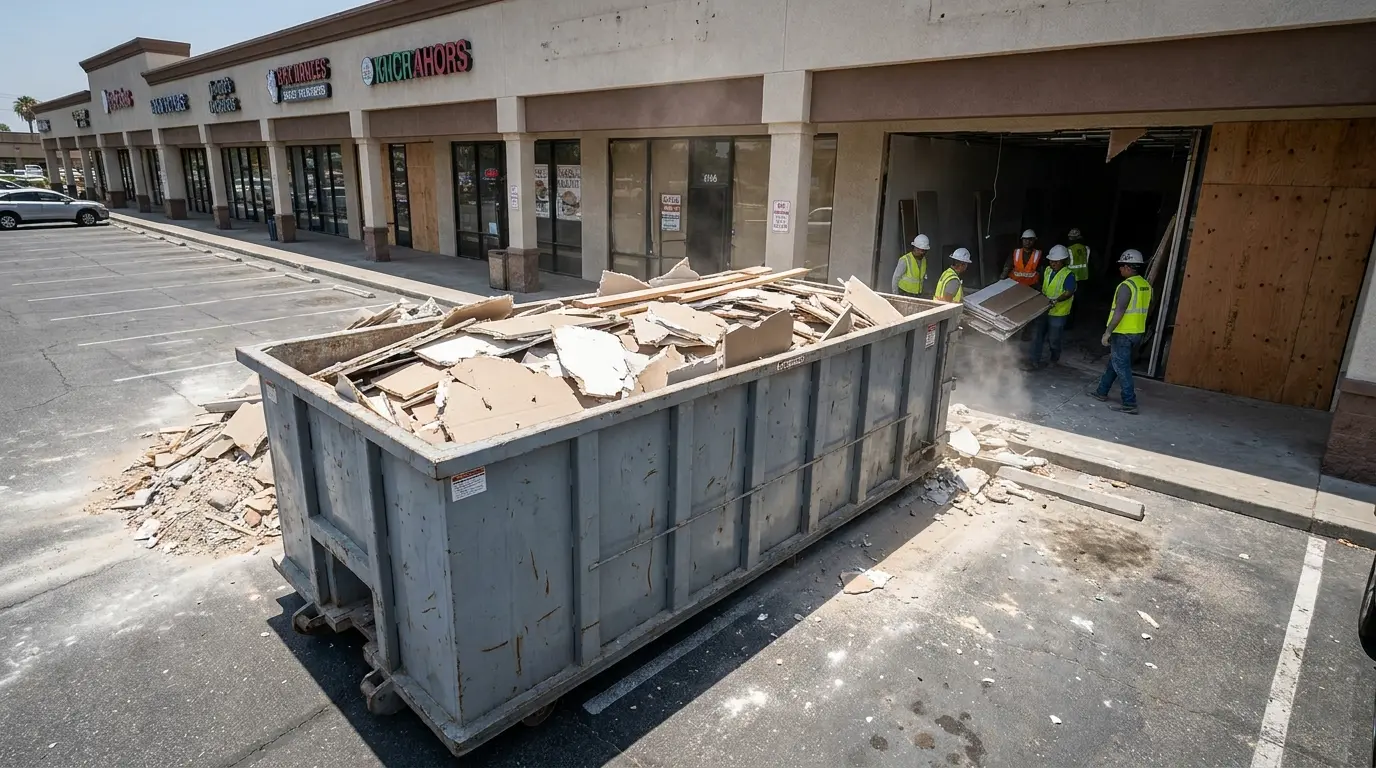
Why Mixing Hazardous Waste in a Roll-Off Dumpster Can Cost You Thousands
When you toss leftover paint thinner, used oil filters, or old electronics into a roll-off dumpster, you risk contaminating an entire load. Landfills are not permitted to accept hazardous waste. If your dumpster is flagged during inspection or at the landfill, the rental company can reject the load and you may face fines starting at $10,000 per violation under the Resource Conservation and Recovery Act (RCRA).
State agencies like CalRecycle or the Texas Commission on Environmental Quality conduct random spot checks. Even one can of aerosol paint can trigger a load rejection. The cost of delay—re-sorting, special disposal, and possible legal fees—can double your project budget. Before you rent, know what counts as hazardous and what doesn’t.
Load rejection fees alone can exceed $1,000 per contaminated dumpster.
What Counts as Hazardous Waste in a Dumpster
The EPA defines hazardous waste as materials that are ignitable, corrosive, reactive, or toxic. Common examples from construction and business cleanouts include:
- Paints, thinners, and solvents
- Oil-based stains and varnishes
- Batteries (lead-acid, lithium-ion)
- Pesticides and herbicides
- Cleaning chemicals
- Asbestos-containing materials
- Electronics (CRTs, monitors, some circuit boards)
- Fluorescent bulbs and ballasts
- Propane tanks and other compressed gas cylinders Even household hazardous waste like nail polish remover or bleach can cause problems if mixed with general waste. Each state has its own list of banned materials. For instance, California forbids all electronic waste from landfills, while Texas allows some under specific conditions.
Immediate Consequences of Mixing Hazardous Waste
Once hazardous materials enter a roll-off dumpster, they can mix with other debris and create dangerous reactions. Fires in dumpsters are often caused by discarded oil-soaked rags or lithium batteries. The Clean Water Act also applies if runoff from a leaking container reaches storm drains.
If the dumpster is picked up and transported, the Department of Transportation (DOT) regulations for hazardous materials may be triggered. That means the driver could be cited for improper placarding or labeling. In 2022, the DOT issued over $4 million in fines related to improper waste transport.
One contractor in Florida was fined $25,000 after a can of acetone mixed with other debris caused a truck fire on the interstate.
Legal Exposure and Penalties
The RCRA gives the EPA authority to impose civil and criminal penalties. Violations can result in fines up to $50,000 per day for each violation. State-level penalties vary. For example, New Jersey’s Department of Environmental Protection can issue fines of $10,000 per incident for illegal disposal of hazardous waste.
If the violation is intentional, individuals can face imprisonment. In extreme cases, company owners have been sentenced to prison for illegal dumping. Your business also risks losing its waste hauling contract or being blacklisted from certain landfills.
How Dumpster Rental Companies Handle Contamination
Reputable commercial dumpster rental services have protocols to prevent hazardous waste from entering their containers. Many require you to sign a waste acceptance agreement that lists prohibited items. If a driver suspects contamination, they may refuse to pick up the dumpster.
If a contaminated load reaches the landfill, the landfill may reject it entirely. The rental company then charges you for the rejected load fee plus the cost of special disposal. That can add $500 to $2,000 to your bill, depending on the volume and material type.
State-By-State Differences in Regulations
Rules vary widely. In California, the Department of Toxic Substances Control strictly enforces hazardous waste separation. Oregon bans all electronics from landfills. New York requires special permits for asbestos disposal. Texas allows some construction debris with low levels of hazardous materials, but only at certain landfills.
Always check with your local public works department or state environmental agency before renting. A good dumpster rental company can help you understand local requirements. For example, if you need a dumpster in Alabama, contact our Commercial Dumpster Rental Service in Alabama for specific guidance.
Best Practices to Avoid Problems
-
Separate waste streams – Keep hazardous materials in clearly labeled containers. Do not mix them with regular debris.
-
Use designated collection sites – Many cities have household hazardous waste drop-off centers. Larger quantities may require a licensed hauler.
-
Train your crew – Make sure everyone on site knows what cannot go in the dumpster. Post a list of prohibited items.
-
Check your rental agreement – Read the fine print. Know what materials are banned and what penalties apply.
-
Ask your rental provider – A knowledgeable company will tell you exactly what you can and cannot put in the roll-off. Contact Dumpster Rentals Pros for a consultation.
When to Call a Professional
If you find hazardous waste you didn’t expect, stop loading. Contact a licensed hazardous waste transporter to remove and dispose of it properly. Some dumpster rental companies offer specialized containers for certain hazardous materials (like asbestos or lead paint). But standard roll-off dumpsters are not designed for these.
Ignoring the problem only makes it worse. Delaying cleanup can lead to more contamination, higher disposal costs, and potential legal action. The cost of proper disposal is small compared to a major fine or a stopped project.
For state-specific service, see our Commercial Dumpster Rental Service in Arizona or Commercial Dumpster Rental Service in California.
The Bottom Line on Hazardous Waste and Dumpster Rentals
Mixing hazardous waste in a roll-off dumpster creates serious financial and legal risks. From rejected loads and cleanup costs to EPA fines and DOT citations, the consequences hit your bottom line hard. Local rules vary, so what’s allowed in one state may be banned in another.
Your safest move is to plan ahead. Separate hazardous materials before the dumpster arrives, and confirm with your rental company exactly what is permitted. If you have questions about a specific waste stream or need a reliable dumpster for your project, reach out to Dumpster Rentals Pros. We serve all 50 states and can help you navigate local regulations. Get started today by calling or requesting a quote online.
Frequently Asked Questions
Can I put old paint cans in a roll-off dumpster?
What happens if I accidentally mix hazardous waste in my dumpster?
Are electronic items considered hazardous waste?
Who enforces hazardous waste rules for dumpsters?
Can a dumpster rental company refuse to pick up my container if it has hazardous waste?
What should I do if I need to dispose of hazardous waste from a construction project?
Explore All Services
Browse all nationwide service options and choose the right fit for your project.
Reliable roofing tear-off dumpster rental nationwide. Delivery, pricing, and permits vary by market, local code, and property type. Get a quote today.
Call NowConstruction debris dumpster rental for nationwide projects. Delivery varies by market, local codes, and property type. Get a quote today.
Call NowNationwide concrete and asphalt dumpster rental from Dumpster Rentals Pros. Pricing and delivery vary by region, code rules, and property type.
Call NowNationwide mixed waste roll-off dumpster rental for construction, demolition, and cleanouts. Delivery varies by region, codes, and property type. Get a quote today.
Call NowNationwide demolition waste dumpster rental for construction, renovation, and debris. Delivery varies by market, local codes, and property type. Request a quote.
Call NowRenovation debris dumpster rental across the US. Pricing, permits, and delivery vary by market and property type. Get a quote today.
Call NowGet bulky waste dumpster rental nationwide from Dumpster Rentals Pros. Delivery varies by market, code rules, and property type. Call for a quote today.
Call NowOffice cleanout dumpster rental nationwide. Prices vary by market, code rules, and property type. Call for a quote.
Call NowReliable Warehouse cleanout dumpster rental nationwide. Delivery and pricing vary by market, local codes, and property type. Get a quote today.
Call NowGet nationwide Retail store waste dumpster rental. Delivery and pricing vary by local codes, property type, and market. Call for a free quote tailored to your needs.
Call NowMetal recycling dumpster rental from Dumpster Rentals Pros. Nationwide coverage, but delivery terms vary by local codes, property access, and market conditions. Request a quote...
Call NowNationwide industrial scrap dumpster rental for construction, demolition & cleanouts. Pricing and delivery vary by market and local code. Get a quote.
Call NowNationwide yard waste dumpster rental from Dumpster Rentals Pros. Delivery varies by market, local code, and property type. Call for a quote.
Call NowRent cardboard recycling dumpsters nationwide. Delivery varies by market, local codes, and property type. Get a quote for your area.
Call NowNationwide landscaping debris dumpster rental. Prices vary by market, local codes, and property type. Get a quote for your project today.
Call NowReliable brick and block dumpster rental nationwide. Delivery times and permit requirements vary by location, code, and property type. Get a quote today.
Call NowFast drywall disposal dumpster rental nationwide. Prices vary by market, code rules, and property type. Get a free quote today.
Call NowNationwide packing waste dumpster rental for businesses and contractors. Delivery and pricing vary by local codes, permits, and property type. Get a quote today.
Call NowNationwide hazardous waste disposal dumpster rental for commercial projects. Prices vary by market, code rules, and property type. Call for a quote.
Call NowGet nationwide Large event waste dumpster rental from Dumpster Rentals Pros. Service and pricing vary by region, code, and property type. Get a quote today.
Call NowBrowse by State
Choose your state or region to find local service coverage pages.
Need Nationwide Commercial Dumpster Rental Service?
We connect you with trusted local providers in your state or city. Call or email us today.